Monday, March 18, 2013

Techniques for recreating Maiolica (Tin Glazed Ware)
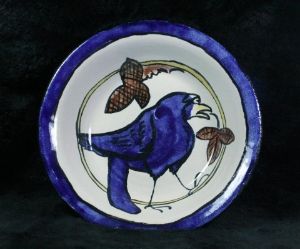

 photo 431591_380174638677442_632486687_n_zps139f3b98.jpg


I was asked recently how I do my maiolica. I need to preface as I've been doing maiolica on and off since I started playing in clay, but with all this time, I am by all means no expert.
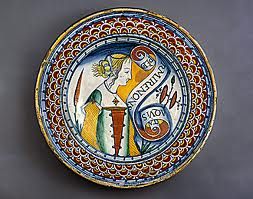
Maiolica is the Italian name for tin glazed pottery. It was supposedly named after the island of Mallorca, which is where much of these pots originally were traded. The idea of tin glazing when it was being developed around 9th century was to replicate porcelain, especially the very popular Chinese blue-on-white ware. Porcelain is not an easily found clay throughout Europe and the middle east pre-1600.  

Piccolopasso wrote a book which described the period techniques of Italian maiolica in the 16th century. As with many glazes of the time, lead was a flux (helped the glazes melt at certain temperatures) and tin was used as a opacifier.

The idea of tin glazing is taking a bisqued clay surface (usually either gray or red earthenware was used) and covering it with a white base glaze. Colorants are used to decorate the white pot, then fired together. The white (blanco layer) and underglazes meld together to form a unified, smooth surface. There was also the technique of using a clear across the decorated piece.

Tin glazing is a very specific technique. In the middle east, there were techniques that they did in order to get a white base and decorate, however most of that didn't use tin glazing. Much of that was either using Fritware (which is a porcelain like clay body, only closer to feldspar, thus it's name) or a white slip as the base (slip is a watered down clay to a milkshake consistency).

There are numerous books and videos on this very popular technique.  Modernly, there are numerous ways to achieve the tin glazed look. The first, and most obvious is use a tin glaze and then use stains for the colors. There are many recipes online for good "maiolica" glazes as well as how to use the stains/colorants. 

Here is a link to Linda Arbuckle's Maiolica base glaze which fires at cone 04. 
 http://ceramicartsdaily.org/ceramic-glaze-recipes/low-fire-glaze-recipes/linda-arbuckles-majolica-glaze-recipe-cone-04-oxidation/

And another with colorant information: http://ceramicsweb.org/articles/arbucklemajolica.html
If you can't mix your own glazes, there are numerous glaze companies that make "maiolica" specific glazes and underglazes/colorant/paints that are compatible. Duncan makes a white base glaze that works fine. They have a few available. Contact Duncan for over glaze compatibility. Their EZ line (ez stroke) works well for the colored sections and it does work with the Arbuckle base.  Duncan IN1653 Downright White is a reasonable base.

Colorobbia  (and Italian glaze company) has a Maiolica White and an entire line of compatible underglazes (Bellissino line).  Aamaco has an entire line specifically for tin glazing (check out their majolica gloss glazes... They have Decorating Color sets that all work together).

My experience has mostly been with my own mixed maiolica base glaze which is similar to the Arbuckle base. I've used Duncan bases in the past as well, either a white base like the Downright White and EZ paints or I used the Duncan concepts (Artic white 101 as base and the rest of that line to decorate, then a clear across everything to seal. All Duncan.

The underglaze route with the clear is something I've seen the majority of historical potters do. They are very reliable and I've used them for over 15 years doing many different techniques. There are many ways and resources for this technique. It's always best to do test tiles and experiment first with any new glaze to make sure you understand how they work before you commit it to a full piece.

Labels: , , , , , ,

Sunday, June 10, 2012

Tin-Glazed ramblings

I was having a conversation with someone awhile back and we were discussing Maiolica, which happens to be one of my favorite subjects. You wouldn’t actually know I love talking about it by the fact that I don’t do much, if any of it for sale. Over the past 14 or so years, I’ve done a lot of this technique and have done extensive research in reproducing the various types of Tin-Glazed pottery.

Now, I need to point out a few things about this technique as there seems to be a lot of misnomers as well as just wrong info being spread lately about the basics of this fairly old pottery glazing technique. I’m going to refer to a few standard websites here because they are easily available to the public, but they reflect what many pottery books also say.

What Wikipedia says Tin-glazed pottery is:

“Tin-glazed pottery is pottery covered in glaze containing tin oxide which is white, shiny and opaque. (See tin-glazing.) The pottery body is usually made of red or buff colored earthenware and the white glaze was often used to imitate Chinese porcelain. Tin-glazed pottery is usually decorated, the decoration applied to the unfired glaze surface by brush as metallic oxides, commonly cobalt oxide, copper oxide, iron oxide, manganese dioxide and antimony oxide. The makers of Italian tin-glazed pottery from the late Renaissance blended oxides to produce detailed and realistic polychrome paintings. The earliest tin-glazed pottery appears to have been made in Iraq in the 9th century, the oldest fragments having been excavated during the First World War from the palace of Samarra about fifty miles north of Baghdad.[1] From there it spread to Egypt, Persia and Spain before reaching Italy in the Renaissance, Holland in the 16th century and England, France and other European countries shortly after.

The development of white, or near white, firing bodies in Europe from the late 18th century, such as Creamware by Josiah Wedgwood and porcelain, reduced the demand for Delftware, faience and majolica.” And clipped from the same article: “Tin-glazed pottery of different periods and styles is known by different names. The pottery from Muslim Spain is known as Hispano-Moresque ware. The decorated tin-glaze of Renaissance Italy is called maiolica, sometimes pronounced majolica by English speakers. When the technique was taken up in the Netherlands it became known as delftware as much of it was made in the town of Delft. Dutch potters brought it to England in around 1600 and wares produced there are known as English delftware or galleyware. In France it was known as faience.”

So, why am I posting about this? A few reasons… Maiolica is the term everyone seems to use for Tin-glazed pottery, but as you can see from above, it is a regionalized term for Renaissance Italy potters. Technically if one was painting, say English Heraldry using Tin-glaze technique, then it wouldn’t necessarily be called maiolica. You COULD call it that and many people do, but the true history of the term comes from Italy. Just like if I were to use the words Delfware or Faience, you should as a collector or a potter, think of the Netherlands and France.

The entire point of this decorative technique was to imitate porcelain which was in high demand. In Europe, they didn’t have porcelain clay bodies in order to make items to sell, thus they created this technique. While Italy had superior product mostly shown in their detailed decorations and painterly as well as life-like details of paint decoration, they definitely weren’t the only ones to figure out this technique. Many of these countries had lovely work, but it was Italy that really made their mark. I believe this is why many people refer to Tin-glazing as maiolica.


 Doing your own maiolica is a fairly tricky endeavor. Many production potters use pre-made maiolica base glazes or fake the technique using white clay bodies, under glazes, with a clear glaze over everything. Reason for the fake or using pre-made is that not only is it more convenient, but trouble shooting glaze faults from pre-existing glaze recipes is a chore. Not all potters know how to mix glazes or understand how to create glazes from scratch, find glazes, or let alone troubleshoot a problem glaze that is perhaps a recipe that is out of a book. Glaze chemistry isn’t an easy thing for everyone and there are a lot of factors involved such as clay body used, kiln environment, temperature fired and how it was ramped up, how the bisque is handled, thickness of glaze application and several other factors that no doubt I am forgetting.

The next time you look at a modern piece of tin-glazed pottery, you may want to think a bit more about how much work was put into it. Much more than you probably first thought.

Labels: , , ,


 TOP 

©2002-8 Mercy Neumark. All Rights Reserved.
No part of this website may be reproduced without express written permission of the author.
RakuRakuTei.com | P.O.Box 9957, Canoga Park, CA 91309 |
mercy@rakurakutei.com